Author: cbmstage

  • Want To Learn More About WordPress? We Can Help!

    Are you now mindful that you need to learn WordPress? If you have, these tips can help you learn how to use WordPress. Keep reading to see how much easier this platform is able to make blogging for you.

    Choose a unique design to make your site stand out from the competition. Though it is less time consuming, your site will blend in with other blogs. You need to spend the time to create a design that evidences your own creativity.

    TIP! Don’t use a common design for your WordPress site. Although it can save time to use a standard design, you won’t have a professional image.

    Put in some time to get to know all of WordPress’ bells and whistles. For example, if there’s a Kitchen Sink button you click, you’ll be able to get a bunch of other choices that allow you to format and import what you want so posts can be unique. You also may notice that there’s a Screen Options tab where your admin pages are. Utilize this to manage and format your site.

    Use Alt and Title when you are using WordPress. text when you upload images. This area is going to let you put in some great SEO keywords within your content, and they also let viewers see what you have on the site when they can’t access images.

    TIP! It is relatively easy to include video blogging in your WordPress site. It’s worth the extra preparation.

    WordPress makes it easy for users to incorporate video blogging into their site. It can takes some extra preparation time, but it can be worth the effort. The majority of people that use the internet are extremely visual. Videos can convey things words cannot, so they are very useful.

    Gather as much information as you can before installing WordPress. You will be more successful if you make a good plan before you begin. Learn what you can about SEO, or search engine optimization, and find out how to create engaging content for visitors. Learn how you can use WordPress to the highest advantage. That will help make sure that you don’t have a tough time when you start.

    TIP! Learn what you need to know before you begin. If you plan ahead, things will flow better once you get started.

    Clean up the content and comments that do not add any value to your website. In this way, your site will be inviting and comfortable for your users. To get rid of spam on a daily basis, Akismet can be a useful plugin.

    You might believe that WordPress has not saved all of the changes you just struggled to make. It is probably not the truth. To try to remedy the issue, simply clear out your browser cache. Hold down the Shift key as you click Refresh to see the changes to your site.

    TIP! Create a posting schedule for yourself. You may actually do it, if you set a time.

    Using WordPress doesn’t have to be difficult. Now that you know more about using it, it should be relatively easy. Just remember everything you have learned from this article so that your blogging experience is a positive one. Making use of this information will result in handsome rewards for you.

  • Website Design Strategies You Can Use For Your Business

    Are you itching to excel at website creation? Are there many goals on your plate, but your lack of knowledge in website creation is keeping you from them? If you said “Yes,” this article will help you get started.

    Speed is critical online, so you have to be certain that your website pages load very quickly. You cannot expect much patience from your visitors. If they are stuck looking at an incomplete page for minutes on end while your content loads, they are quite likely to close your site and find what they’re looking for elsewhere.

    TIP! Speed is vital online, so be sure your pages load quickly. If a site visitor ends up waiting for a long time for your web page to load, they will definitely leave your site in search of a similar site that loads faster and will never recommend anyone to your site.

    Do not put pop-up windows on your site. You’ll only annoy your visitors with this type of content, regardless of how important the information in the pop-up windows is. Every pop-up window you throw in front of your website visitors increases the likelihood that they will abandon your website in frustration. Once they leave, it’s highly unlikely that they’ll be coming back.

    Alt Tags

    TIP! Ease of navigation is an important factor in how appealing visitors find your website. Display links prominently so that they can be easily found.

    When designing your site, use ALT tags when adding images. These tags help you describe the images for people with visual impairment or people that disable images. If you use images as links, the ALT tags will give you a way to describe the links’ behaviors. Lastly, search spiders use ALT tags, so this can help you in the SERPs.

    When you are choosing your background color, white is an effective choice. When you have a white background, your content will be easy to read, and it will also make your site appear more professional and trustworthy. However, intricate designs on your background can distract users and give your site more of an amateurish look. When choosing a background for your website, a simple background is better.

    TIP! Trying buying a computer program especially for web design. These programs are easy to use and will give you a polished result.

    Optimize your website of old versions of the IE browser. Most people have a love-hate relationship with IE; however, many people are still using it, including older versions. Workarounds are needed for many elements to be visible in IE. Specifically, you’ll want to know about IE’s “box model bug.”

    File Types

    TIP! A great way to get repeat visitors to your site, is by having them subscribe to your newsletter. You can keep your visitors informed about important events, updates, and changes when they sign up for a newsletter, and the flow of information will often tempt them to revisit your site.

    The file types will affect the load time of your website. Your best choice for graphic files are GIFs and JPEGs. PNG and BMP files take up a lot of disk space. By converting your file types to more manageable sizes, you will provide your visitors with a better experience.

    Now that you gained some more knowledge on website design are you feeling a little more confident on this subject? If you put the techniques in this article into practice, you should soon see a significant improvement in the quality of your website development.

    TIP! Use original photos to create a unique and attractive website. Pictures can give your site a friendly feel.
  • Our Social Media Marketing Tips Will Set You Apart From The Competition

    You may already be aware that social media sites are a communication medium you can use to establish a relationship with individuals, all around the globe. You may not have known that social media sites, that you’re already on, can be used in your business, too. Below are some good tips you can use, to successfully use social media to market your business.

    Keep an up-to-date blog. Update your blog with information about promotions or sales your company has coming up. If there is anything new to report like new products, hours or a new location – post it on your blog too.

    If you use Twitter as part of your media marketing plan, create tweets that are rich and varied in content. Be sure to tweet tips and helpful suggestions to help promote your business. By mixing these tweets in with those that boldly promote your business, your followers are more likely to stay interested in your tweets.

    TIP! If you have a blog, use a “Retweet” button at the top of every blog post. A prominently placed button makes it very easy for readers to syndicate the content on Twitter.

    Add a button that shares your blog posts on Facebook to each of your blog entries. That way your visitors can share your blog with their Facebook friends. This increases exposure significantly with little or no effort on your part; ultimately, this may result in an increase in sales volume.

    Put social media and RSS buttons in opportune places. Ensure that this is clearly visible on your websites, blogs, emails and in your signatures when you comment. In addition, you need to add links to all other social network profiles, and convince your followers to follow you in other places.

    You need to remain flexible with how often you choose to update your pages. When you launch a big campaign on a new product, make sure to provide the frequent updates people expect to see. If you find yourself struggling to find new content to post, you may want to think about decreasing how often you update your status.

    TIP! Adding sorting ability, comment features, the ability to rate content and more will make your social media website interactive and user friendly. Adding these powerful SMM tools to your site will let your users get involved with your site and in turn make your site much more active.

    Try giving away some samples through social media. Getting something for free is an opportunity that few will want to pass up. Choose a product or service you want to highlight, then post your free offering to the most popular freebie pages and forums.

    Offer discounts exclusively to people who join your page to encourage customers to “like” it on Facebook or follow it on Twitter. Your customers will enjoy the sense of exclusivity when they receive these special discounts, and you will likely see your profits swell as you land more sales.

    Social Media

    TIP! Consider writing a guest blog or allowing a popular blogger in your niche market to guest blog on your site. This can help bring more traffic your way.

    Follow the advice from this article and use social media websites to boost your business. You can use the sites you visit every day, and it could benefit your business. You’ll open up your reach globally by using the tips in this article in your own social media marketing strategy.

  • Take Website Design To The Next Level With These Tips!

    Building a site from the ground up is intriguing and intimidating. You might not be sure how to plan your site or who to ask to help you. You may not even know how much it costs to design and operate a website. Read on to learn some principles of basic web design planning so that you can do things the right way from the beginning.

    Do not go overboard with graphics. While they help to keep a visitor’s interest, they can also make a site look cluttered and push visitors away. Graphics are not for decoration or ornamentation. Instead, they are to help you improve the overall appeal and usability of your site. Having the appropriate number of graphics that do not create clutter improves the usability of your website, too.

    Allow your users the ability to cancel something if they are not happy with what they typed in. An action may refer to signing up for e-mail notifications, newsletter subscriptions or filling out web forms. If you do not give site users the opportunity to cancel an action, they are not likely to return to your site. Over time, this could negatively impact your sales and site traffic.

    Make your visitor’s life a little easier by preserving the content they enter into forms. For instance, if someone fills out a form using personal information, he or she should have to enter that same information in again when he or she goes to fill out an additional form. Keeping information “sticky” like this will make it simple to sign up for things on your site, and visitors will appreciate that you have saved them time.

    Web Browsers

    Minimize the use of JavaScript. Some of your website visitors may not have JavaScript, and others will not want to update it on a regular basis. Every web browsers is different and they are constantly updating. Not all visitors have the most current version of their browser. Also, many people do not enable JavaScript in web browsers. If they aren’t using either or these options, then they will not be able to view your site.

    To create a better-optimized site, avoid using frames. While they improve your site’s looks, any information contained in a frame is not indexed by search engines. You will lose viewers if they can’t find your site because a search engine fails to find what they searched for on your page. When that happens, not many people will see your site.

    Your navigation methods should be clear and easy to maintain. Placing your navigation links in easy to find locations will help you keep visitors on your website. The navigational structure must be neat, consistent, and easy to access for your users to have a better experience.

    Now that you’ve read the advice contained herein, you should be ready to tackle the first steps of creating your site. Develop a budget, get some good advice, and start drawing up your plans. You can create sites that fill your needs without a lot of money by starting now!

  • SEO Tip: Insert Google Analytic Code into Your Site Using Dreamweaver

    SEO Tip: Insert Google Analytic Code into Your Site Using Dreamweaver

    This video will show you how to insert Google Analytic Code into your website using Adobe Dreamweaver CS4. The first thing you will want to do is sign up for a google analytics account and then follow the instructions there. After you do that your code will be presented to you. Copy the code, and then watch this video!

    Google Analytics keeps track of visits to every page you install the code onto. You must install the code into every page of your website. If you are using a PHP website, or WordPress, then you can install the Google Analytics code into the header, or a similar. The code can also be installed into the footer.

    How to Insert Google Analytics code into your website (Traditional Way)

    -From Google

    1. Finding your personalized Google Analytics Tracking Code:
      • The tracking code is profile-specific, which is why you can only access it via the Profile Settings page for a specific profile. Please read Where can I find my tracking code? for full instructions. Below is an example of what the code snippet will look like. You’ll need to update the “xxxx-x” in the sample below with your own Google Analytics account number found in your personalized Google Analytics Tracking Code.

    [html]
    <script type="text/javascript">// <![CDATA[
    var gaJsHost = (("https:" == document.location.protocol) ? "https://ssl." : "http://www.");
    document.write(unescape("%3Cscript src=’" + gaJsHost + "google-analytics.com/ga.js’ type=’text/javascript’%3E%3C/script%3E"));
    // ]]></script>
    <script type="text/javascript">// <![CDATA[
    try{
    var pageTracker = _gat._getTracker("UA-xxxxxx-x");
    pageTracker._trackPageview();
    } catch(err) {}
    // ]]></script>
    [/html]

    1. Implementing the code:
      • Once you find the code snippet, copy and paste it into the bottom of your content, immediately before the tag of each page you are planning to track. If you use a common include or template, you can enter it there. To implement tracking code for secure pages (e.g. https://), please read How do I obtain tracking code for secure pages?
    2. Implementing the code for unique pages:
      • For more information on how to implement the tracking code for data-driven pages or pages with frames, please follow the instructions from the relevant section in the Google Analytics Installation Guide.
    3. Troubleshooting:
      • You should be finished once you install and save your tracking code for your pages. If you wait 24 hours and still don’t see any data, please read Why isn’t Google Analytics tracking my Website?

    How to insert Google Analytics Code into your website (Dreamweaver CS4)


  • Run A More Successful Blog With These Tips

    Everyone, from authors to reviewers to businesses, has a blog nowadays. It now seems that just everyone has a blog. Creating a good blog takes time, planning and big decisions. Optimize your blog posting strategy with the information that you will find below.

    Be sure that your blog has search engine optimization techniques built into it. Since your goal is for individuals to visit your blog, you need to be sure it ranks high in search results. Choose keywords relevant to your topic, and use them throughout blog posts and titles to boost readership.

    When it comes to keywords, ads, images, and plug-ins, do not overdo it. Such practices will have your blog flagged by search engines, which hurts your ranking and undoes your hard work. Write naturally, and make sure that your blog posts are easy to read.

    TIP! Try to always be available to your readers. Connections are important in the online world, and this is especially true when you are writing a blog.

    Make frequent updates to your blog. New content is essential for finding new viewers and keeping the ones you have. If you do not update your blog very often, internet users will not have any reason to revisit it. It’s a good idea to make at least one post each day.

    Do not copy another person’s work. If you plagiarize, you will lose any sense of credibility that you had built up. Everyday people can become very successful bloggers, just by writing with passion and integrity.

    Use images in your posts. Remember, a picture really is worth more than a thousand written words. For blog content, this is definitely the case. Images can convey a wealth of information, especially that which words cannot adequately describe. So, make certain that you include images as much as possible.

    TIP! Make frequent updates to your blog. If you want to grow your readership, it is necessary to inject fresh content regularly.

    Always reply to comments you receive, and do not take them personally. You will find that people find a way to criticize posts about any topic. Use the constructive comments to produce a better. Post polite responses to any negative comments and put them behind you. By responding politely, your readers will see your maturity and will continue reading.

    Let your readers post comments on your blog posts, and reply to those comments. The feedback from you is appreciated by your readers and it encourages them to return to your blog. This helps create a good relationship with them. If people see that you respond to comments, they will return after making a comment to read your response.

    Stay patient when trying to get new readers. Blog traffic builds slowly. Not everyone will be aware of your blog immediately. Also, it will take time to build up the content base that readers expect from a quality blog. By having your blog longer you will have more content and you will be able to draw more readers.

    TIP! Do not be long winded in your blog posts. While you still have to provide enough detail to inform your readers, overly long and wordy posts will bore your readers and drive them away.

    As was said earlier, blog posting is very popular. Blogs are made for lots of reasons, but they all want to spread a message to a particular audience. If you use what you’ve read here to assist you in designing and maintaining your blog, you’ll reach all of the goals you set for yourself and more!

  • Why Convert Your Site to WordPress?

    Why Convert Your Site to WordPress?

    Why convert your site to WordPress? What are the benefits of a WordPress conversion? What can a WP site do that my old, reliable HTML or PSD site can’t do?

    All these are legitimate and worthwhile questions to ask.

    And the answers may not only astound you, but make you ask yourself why you haven’t thought about converting to WordPress sooner. The fact of the matter is, this platform is very powerful, with a lot of versatility It also has a short learning curve, unlike more bulky systems such as Drupal or Joomla. What’s more, it has a very large population of users and designers who create or improve existing WP themes.

    In short, there’s a lot of bang for the buck when you turn HTML into WordPress. You get a substantial amount of features and many of the “add-ons” are free or dirt cheap.

    About the WordPress Open Source Platform

    The WordPress platform was developed by Matt Mullenweg, a former employee of CNET Networks. His experience in website design led him to imagine and develop a platform where changes could be made site-wide, through just a click or two of a mouse.

    Prior to actually creating the Content Management System known as WordPress, the building of a website was very laborious. This put laypeople out of the loop and business owners who needed a web presence were forced to go to a designer. But the WP platform changed that.

    Several years ago, if a site owner wanted to make changes to their cyber property, it took a good deal of cutting and pasting and trial and error to get the pages all to look uniform after they made changes. But WordPress made changes simple and did so on an across-site basis.

    Converting to WordPress

    There are many advantages in converting HTML to WordPress. And, it’s not a terribly complicated process–at least for an experienced website designer or a WordPress developer. But the benefits are great. And changes can be made on-the-fly. Here are just a few of the reasons site owners should undertake an HTML to WordPress conversion:

    • Ease of use. The WP dashboard is easy to understand and simple to use. It is more intuitive than many other CMS platforms and there’s a large community who can provide help in the Codex forums.
    • Full customization is available. There’s really not much that can’t be done with a WordPress template. Practically anything you can imagine is possible. What’s more, there’s no shortage of tutorials to accomplish them.
    • Built-in search engine optimization. In short, Google and Bing love WordPress. One reason is the code is so clean and lightweight. Another is it comes with basic optimization right out-of-the-box.
    • Social media integration. The vast majority of WP themes come with social media integrate already installed and ready to use. Just copy and paste links to your social profiles into WordPress and click “Save”.
    • Fully functional, powerful plugins. One of the biggest advantages in converting to WordPress is the immediate availability of plugins. These tiny software packages seamlessly integrate into the platform and conduct functions from SEO to site analytics to author bios and everything else in between.

    If you want to learn more about WordPress conversion and what it can do for your business, then contact us. Our HTML to WordPress web designers will convert your site and give it new-found power.

  • Building a Better Website UX

    Building a Better Website UX

    Website UX, you may have seen the term, but are unsure to what it means. It means “user experience”, and its the most single important aspect of web design. A skilled graphic designer can churn out a beautiful, engaging site that leaves a lot to be desired in functionality. Or the opposite can be true, a fully functional website that’s unwieldy, unnavigable, and confusing.

    But there’s a lot more to website UX, than just aesthetics and functionality. There’s also considerable technological and search engine optimization factors which also must synch with the finished product. When you get down to it, website UX figures into practically every aspect of the design and build process, and continues even after the site goes live.

    Once the site is published on the web, another process begins, which consists of testing, listening to visitor feedback, and other considerations to get the best product possible. This can mean weeks or even months of work after the site has gone live. But, in the end, it’s well worth it for the sake of a business.

    better-ux-cqd

    Defining Website UX

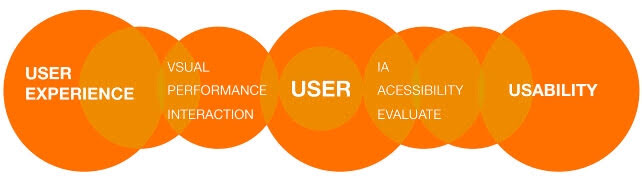
    There’s more to website UX than just “experience”. Actually, it can be broken down into four considerations: the business’ requirements, design requirements, technology requirements, and user requirements. The first, business requirements, is meeting goals and expectations of the business client, not to mention being able to monetize the site through user engagement.

    The second consideration, design requirements, is just that, design features. It entails coming up with a concept that will look professional, yet not boring. It likewise means creating something unique, without making it too off-the-wall.

    …different browsers render web fonts differently—colors can vary, not to mention the plethora of possible sizes of a user’s screen on any given device. Still, it is important to understand how delivering a comp as an end product sets up client expectations. UX Magazine

    Technology requirements, the third consideration, concerns things like programming languages, hosting, and all the technical aspects which make a site work and function properly time and again. And the last consideration, user requirements, is how visitors will interact with a cyberproperty. It’s equally about the target audience finding value in the site.

    balance-ux

    Balancing UX and Business Needs

    Those considerations permeate throughout the design process and well after the site is published on the internet. To get the maximum amount of website UX, a developer has to address some key issues common to design:

    • Photoshop and browsers. What every designer knows but few business owners know is the fact that what a site looks like in Photoshop isn’t necessarily what it will look like in Internet Explorer, Google Chrome, Apple Safari, and Mozilla Firefox. Design clients should be aware that screen captures and other renderings are just a snapshot in time, and not necessarily what the end product will look like.
    • Image and button interaction. Design clients should be aware that while their site is being built, it’s under construction, and that means not everything will work. Some features are turned on, then turned off, because there’s something being done behind the scenes. This is also a time when navigational considerations are taken into account for future visitors, as well a search indexing.
    • Implementing changes. Design clients frequently ask for changes to their site during the development process. And that’s completely understandable, after all, it’s their product. But changes can be costly in more ways than one. Some changes will impact the budget, but also may cause unintended consequences. For instance, changing a function of one thing might have an adverse affect on another.
    • Copying what works. Design clients often come to a build firm with one or more example sites they’d like to emulate. That too, is fine in itself. But those other sites might include features which are very expensive to plug in and time consuming to test.
    • Completing the package. Design clients often speak about the site being completed. In truth, no site is complete, no matter how old it is. Any SEO worth their salt will tell you that new content must be added continually to a site in order for that site to remain relevant to the search engines.

    If you need a better user experience for your website or want a spectacular website UX, then contact us. We are a leading design and development web firm that not only builds and re-imagines sites, but also an effective search engine optimization services. Our design services, along with our comprehensive SEO service, make us a one-stop shop for all your online needs.

  • The Best Tips And Tricks About Web Page Design

    The design of your website is instrumental when it comes to showcasing your business under the right light. You don’t need a degree in website development to make effective websites; you just need the right information to know what works well and what does not. Continue reading for some great website creation tips.

    Web designers gave frames the boot in the 90’s. The fact is that while frames were popular in the past, they were simply one of many early techniques that were necessary then but are not today. They are the stone wheel of the Internet generation and should not be used today. Frame-based designs cause readers to have trouble bookmarking your site, and scrolling can also prove burdensome. There are easier ways to give seamless flow to your site.

    It’s a good idea to set up your site so that it can retain a copy of user information that must be entered repeatedly. For instance, if someone fills out a form using personal information, he or she should have to enter that same information in again when he or she goes to fill out an additional form. Your clients will thank you for saving them the time it takes to fill in information that they have previously done on your site.

    TIP! Have a visible tagline. A tagline will be a motto or some statement about your business focus.

    Always separate topics. Keep different topics on different pages. This helps alleviate any confusion that your customers may experience, as well as giving search engines a broader and more clear view of your site, potentially bumping you up higher in their rankings.

    You never want to use too many fonts when it comes to site design. You need to consider how large the font is since some may be too small for concentrated website reading or smaller screens. Verdana is a good font that is popular on the Internet.

    Older Versions

    TIP! The 90s called. They want their web frames back.

    Optimize your site for older versions of Internet Explorer (IE7 and IE8). Most people have a love-hate relationship with IE; however, many people are still using it, including older versions. Workarounds are often necessary when standard elements can’t be rendered. Make sure to look at the infamous “box model bug,” which has been an issue for IE for several years.

    The information located above will help you develop a great website. The results you are now capable of will shock you. Why wait any longer when you can start building that online presence you have long deserved.

  • SEO and Site-Wide Security in Web Design

    SEO and Site-Wide Security in Web Design

    One thing that doesn’t get mentioned a lot in the world of SEO–except for the sake of mention–is website/blog security. The topic isn’t one of choice among most SEO providers because it is routine in nature. Put another way, it’s something that is done along the way as a matter of standard practice or habit.

    With all the products on the market protecting Internet users from becoming victims of phishing, spam and general scamming, it doesn’t seem to be necessary. But nothing could be further from the truth.

    Why Site-Wide Security is Important

    Just like the physical world around us, the Internet is becoming a smaller place. Okay, so that isn’t a perfect analogy, but it’s sufficient. Social networks are connecting more and more people. Open source sites/coding are doing the same. What’s that mean? It means just like the world is becoming more intricately involved like one nation’s economy affecting others, so too is the “open” Internet.

    Open Source

    You might have heard the term or this is your first time reading it. Open source means exactly that: it’s open for anyone and everyone to see. For instance WordPress is an open source blogging platform. Anyone that has the ability to develop a component to improve WP can do so. But that means it is open to attack as well.

    When WordPress sends out an update, it always includes a little disclaimer which states that updates help to protect users (and their readers) from hacker attacks. Though it mean appear to be a legality issue, it is a stern warning. Without the latest update, there are ways unscrupulous individuals can get in and wreak havoc.

    What Vulnerability Means

    Not protecting your site/blog is an open invitation to trouble. The consequences can be benign or as damaging as getting your site banned from Google. It can include stealing your information as well as hijacking your site for even more nefarious purposes. This can include capturing customer information as it comes in through forms or redirecting customers away from your site.

    How to Prevent Attacks

    The most obvious thing in prevention measures is to never share your usernames and passwords. In conjunction, if you have multiple sites or a site with a blog, use different passwords and usernames for each. While it’s convenient for you to have just one set, it’s just as convenient for hackers.

    Security Measures

    • Always keep your site and/or blog platform up-to-date
    • Keep your plugins up-to-date
    • Hide your plugin directory
    • Address any PHP errors
    • Routinely run site-wide security scans
    • Ensure all FTP and other server usernames and passwords contain one upper-case letter, a couple of numbers and at least one special character
    • Rename all database tables from their generic descriptions/names
    • Keep LAN access to a minimum among users
    • Set-up and maintain a firewall
    • Use on-site serves as much as possible
    • Include robots.txt with the proper protocols
    • Check your upload file permissions
    • Inspect your SQL data periodically

    Observing these protocols won’t guarantee your site/blog will never be hacked but it greatly reduces the likelihood of it being compromised. Determined hackers can overcome nearly any security but owners that take proactive steps will be seen as too much to bother with and will be passed-up for easier targets.

    If you believe your site/blog has been hacked or is vulnerable, then contact a web security specialist for a free security check. We’ll be happy to assist you with your site’s security features and keep your business or e-commerce site safe.